Crafts & Art: Turn Everyday Things Into Extraordinary Creations
Beautiful ideas, simple materials, and a little imagination can turn an ordinary afternoon into something unforgettable.
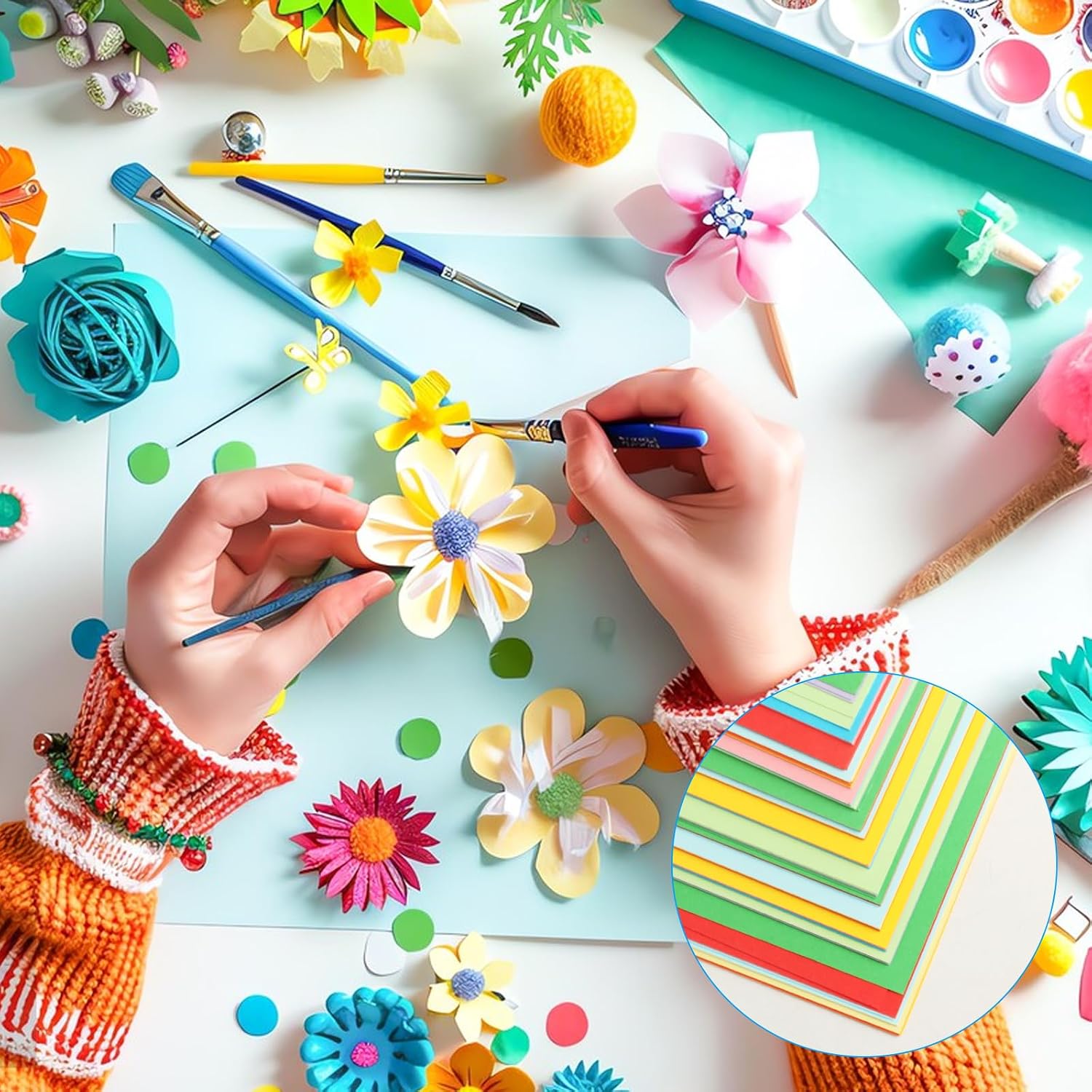
Have you ever looked at an empty cardboard box, an old newspaper, or a handful of colorful paper and wondered what you could make with it? That is where the magic of crafts and art begins.
Creativity does not always require expensive supplies, professional training, or a dedicated studio. Sometimes, all you need is a pair of scissors, some glue, a few colors, and the courage to experiment. From handmade greeting cards to recycled home decorations, small creative projects can bring personality into your home and make ordinary moments more enjoyable.
Crafts and art are also wonderful ways for children to explore their imagination, for adults to discover relaxing hobbies, and for aspiring creators to develop products they might eventually sell. The best part? You do not have to be perfect. Every handmade creation has its own character.
1. Paper Crafts: Small Sheets, Endless Possibilities

Paper is one of the easiest materials to use when beginning your creative journey. It is accessible, affordable, and available in countless colors, textures, and thicknesses.
You can transform ordinary sheets into paper roses, decorative wall hangings, greeting cards, bookmarks, gift tags, origami animals, and personalized photo frames. Even leftover wrapping paper can become an attractive collage.
Try this: Make a handmade paper flower
- Choose three or four sheets of colored paper.
- Draw and cut petal shapes in different sizes.
- Layer the petals, slightly overlapping them.
- Attach the layers with glue and add a small paper circle in the center.
- Attach a paper stem and leaves, then arrange the flowers in a handmade vase.
Experiment with different colors to create a bouquet for a birthday, a festive decoration, or a thoughtful handmade gift. Older children and adults can explore more detailed folding and layered-paper designs.
2. Recycled Art: Give Waste a Beautiful Second Life

Some of the most interesting craft materials are already sitting in your home. Empty cardboard tubes, egg cartons, glass jars, old newspapers, and delivery boxes can become the starting point for original artwork.
Recycled crafts encourage us to see possibilities where other people see rubbish. They can also help children understand reuse and resourcefulness through a hands-on activity.
Try this: Create recycled flower wall art
- Collect clean cardboard tubes or an egg carton.
- Cut the cardboard into petal shapes. Children should use child-safe scissors with adult supervision.
- Paint the pieces in bright colors and allow them to dry.
- Arrange the petals into flowers on a piece of thick cardboard.
- Add paper stems, leaves, and a painted background.
- Display the finished artwork in a frame or on a bedroom wall.
You can also decorate an empty, clean jar with paper, paint, or string to create a pencil holder or a decorative container. If using glass, take care around sharp edges and keep breakable materials away from young children.
For more inspiration, explore this recycled flower art tutorial.
3. Painting and Drawing: Your Imagination Has No Rules
Painting is not only about reproducing what you see. It is also about expressing a mood, exploring colors, and discovering your personal style.
Beginners can start with watercolors, colored pencils, poster paints, or simple sketching exercises. Try painting sunsets, abstract patterns, flowers, leaves, landscapes, or everyday objects around your home.
Three easy painting projects
- Nature-inspired art: Observe leaves, flowers, or clouds and recreate their shapes using simple brushstrokes.
- Abstract canvas: Combine two or three complementary colors, geometric shapes, and expressive lines.
- Handmade greeting cards: Paint small flowers, stars, or seasonal patterns on thick paper and add a personal message.
Do not worry if your first attempt looks different from the picture in your head. Learning to mix colors, control a brush, and develop a composition takes practice. Save your early paintings so you can compare them with your later work and see how much you improve.
4. Crafts for Kids: Learning Through Play
Arts and crafts give children opportunities to experiment, solve small problems, and make choices independently. A simple activity can involve color recognition, counting, cutting, arranging shapes, and telling stories about what they create.
Parents do not need to turn every project into a perfectly finished masterpiece. Let children choose the colors, invent their own designs, and explore different materials.
Fun projects to try at home
- Paper-plate animals: Turn paper plates into lions, fish, butterflies, or imaginary creatures.
- Nature collage: Use fallen leaves, small twigs, and paper shapes to create a seasonal picture.
- Handprint art: Turn painted handprints into trees, birds, flowers, or family keepsakes.
- Homemade puppets: Decorate paper bags or cardboard shapes and invent a short puppet show.
Choose age-appropriate supplies, supervise scissors and small objects, and use non-toxic art materials. For younger children, avoid small parts that could present a choking hazard.
5. Handmade Home Decor That Feels Personal
Your home does not need expensive decorations to feel special. Handmade pieces can introduce color, texture, and memories into an otherwise ordinary room.
Try creating a yarn wall hanging, decorating a plant pot, painting a wooden picture frame, making a paper garland, or designing a collage from meaningful photographs.
A useful approach is to select a small color palette before starting. For example, earthy beige, terracotta, and green can create a natural look, while blue, white, and yellow can give a room a brighter feel.
Consider where the finished item will be displayed before choosing its size and materials. A lightweight paper decoration may work beautifully on an interior wall, while an outdoor item needs materials and finishes suitable for weather exposure.
6. Turn Your Creativity Into a Small Business
Crafting can also become a starting point for a small creative business. Handmade gifts, personalized stationery, festive decorations, customized nameplates, painted pots, and carefully designed home accessories can appeal to customers looking for something distinctive.
Before investing heavily in materials, make a few samples and ask potential customers for honest feedback.
- Choose a niche: Focus on one product category, such as personalized gifts or handmade paper decorations.
- Calculate your costs: Include materials, packaging, your time, delivery, platform fees, and other expenses.
- Photograph your work: Use natural light, a clean background, and close-up images that show the details.
- Create a simple portfolio: Share your products through appropriate social platforms, local communities, or an online shop.
- Test demand: Start with a small collection and improve your designs using customer feedback.
Remember that a product's selling price should account for more than the raw materials. Time, skill, packaging, rejected pieces, and business expenses all matter. Start small, maintain realistic expectations, and build quality and customer trust before expanding.
7. Make Creativity a Habit, Not a Competition
With endless craft videos and polished social media images online, it can be tempting to compare your first attempt with someone else's years of experience. That comparison can take the joy out of making things.
Instead, set aside 15 to 20 minutes for a small creative activity. Keep a box of useful materials ready, save ideas that interest you, and try one new technique at a time.
You can even keep a creative journal. Record the materials you used, what worked, what did not, and what you would change next time. This turns each project into a learning experience rather than a test of perfection.
8. How to Choose Your Next Art Project
If you have only 15 minutes
Try a doodle, a handmade bookmark, a simple paper flower, or a small abstract painting.
If you want a family activity
Choose a paper-plate animal, a shared collage, or a recycled cardboard project that everyone can contribute to.
If you want to decorate your home
Make a framed collage, a painted pot, a yarn wall hanging, or a set of coordinated paper decorations.
If you want to earn from your hobby
Start with personalized cards, gift tags, small decorative items, or custom artwork. Test a few products before committing to larger orders.
Final Thoughts: Create Something That Feels Like You
Crafts and art remind us that creativity does not depend on having the most expensive tools or the perfect workspace. It begins with curiosity and grows through experimentation.
A piece of paper can become a flower. An empty box can become a miniature city. A few brushstrokes can become a painting that makes someone smile.
Choose one idea, gather a few materials, and begin today. Your next favorite creation might come from something you were about to throw away.
Comments (0)
No comments yet. Share your thoughts below!
Leave a Comment